Compare complete engines
Searching for the Ideal Engine for Sale: Tips for Choosing the Perfect New Unit
When looking for the best engine for sale, close attention is essential. Alignment with the car is critical, factoring in cubic capacity, power output, and fuel variety. The choice between fresh and pre-owned choices can greatly impact both budget and performance. Understanding various engine specifications can assist in reducing choices. However, the undertaking doesn't stop there; examining warranty coverage and seller trustworthiness is comparably essential. What are the next steps in securing a prudent decision?
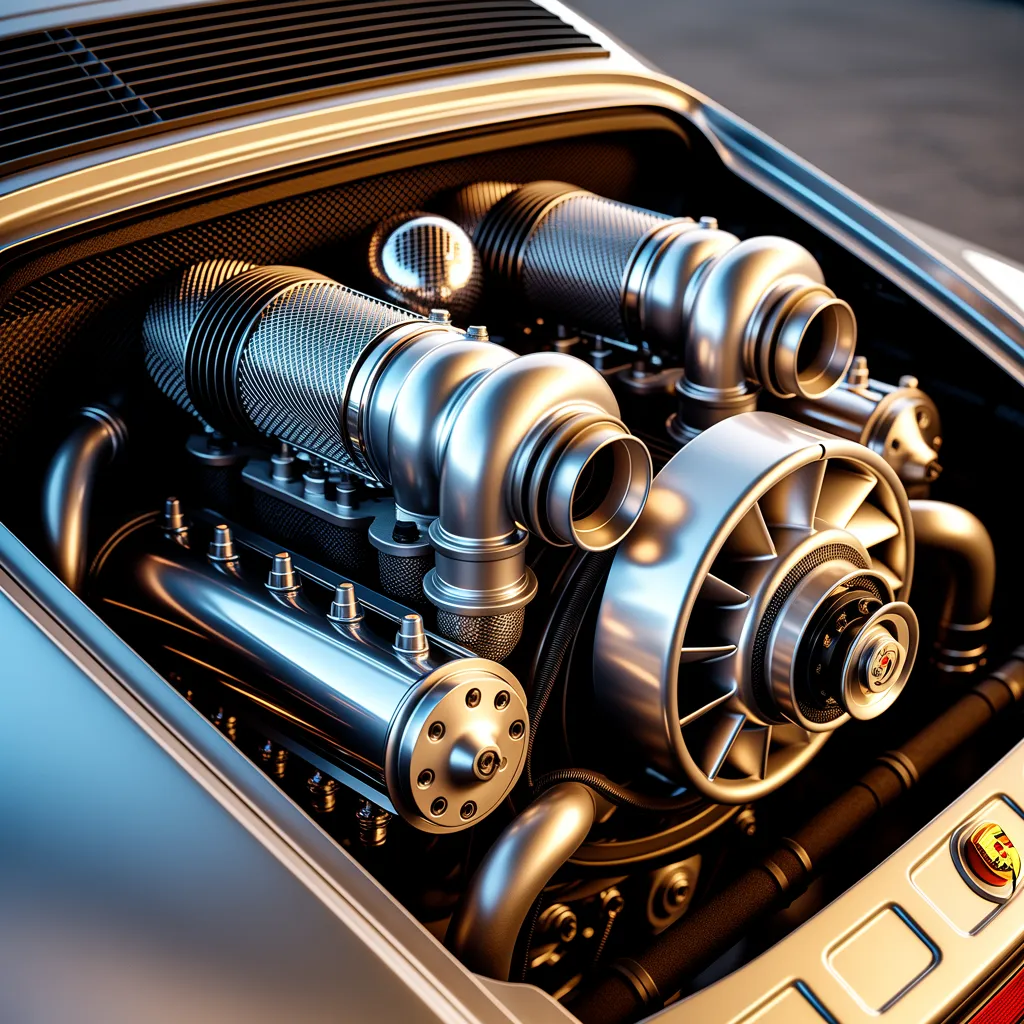
Determining Engine Compatibility: Key Factors to Review
When evaluating engine suitability, what essential factors should be taken into account? First, one must consider the engine's specifications, including displacement, horsepower, and torque ratings, ensuring they match the vehicle's requirements. Next, the engine's mounting points and transmission compatibility are critical; mismatches can lead to significant installation challenges. Additionally, the type of fuel the engine requires—gasoline, diesel, or alternative fuels—must be compatible with the vehicle's existing systems.
One significant component is the engine's emissions standards; it is essential to identify an engine that observes local regulations. Moreover, the year, make, and model of both the vehicle and engine should harmonize to prevent compatibility issues. Finally, the standing of the engine, including mileage and service history, should be scrutinized to guarantee reliability and performance longevity. These aspects together assist in identifying an engine that will integrate smoothly within the vehicle.
Understanding Motor Varieties: Which Fits Your Vehicle?
How does one determine which motor classification best suits their vehicle? Comprehending the different engine types is vital for making an knowledgeable choice. The main categories consist of inline, V-type, and flat engines, each providing unique benefits. Inline engines are often small and economical, making them ideal for smaller vehicles. V-type engines, recognized for their strength and torque, are commonly located in larger cars and trucks. Flat engines, while less common, provide a lower center of gravity, enhancing stability.
Additionally, motor size and configuration should be considered. A bigger engine size typically produces more horsepower but may lead to decreased fuel efficiency. Compatibility with the vehicle's transmission and overall design is essential; incompatibilities can cause operational problems. Examining the manufacturer's details can offer valuable insights into which engine will smoothly fit into the vehicle, guaranteeing peak performance and reliability.
New versus Used Engines: Which Choice Is Better?
When evaluating new versus used engines, cost plays a significant role in the decision-making process. New engines usually include warranties that provide peace of mind, while used engines often don't have such coverage, leading to potential risks. Assessing these considerations is essential for anyone seeking to make an educated decision.
Cost Factors
Choosing between a new and a second-hand engine requires careful consideration of expenses and benefits. A new engine usually carries a larger price tag, showing its top-notch condition and performance consistency. Buyers often consider the longevity and possible fuel efficiency of a new engine, which can support the upfront investment. On the other hand, used engines provide a more budget-friendly choice, frequently available at significantly lower prices. Nonetheless, they may involve risks such as unknown wear or prior damage. The overall cost-effectiveness of a used engine can be appealing, particularly for older vehicles. In the end, the decision copyrights on the buyer's financial status, vehicle age, and long-term plans, considering immediate expenses against possible future costs.
Differences in Warranty
Differences in warranty coverage between new and used engines can greatly influence a purchaser's determination. New engines typically come with extensive warranties, usually lasting from three to five years, providing protection for parts and labor for any manufacturing defects. This protection provides confidence to buyers, mainly those who prioritize dependability. In contrast, used engines may provide limited or no guarantee, contingent upon the seller. While certain established dealers provide short-term warranties, the breadth of coverage is generally more limited. Buyers must evaluate the cost benefits of a used engine weighed against foreseeable maintenance expenses. Ultimately, the determination between new and used rests not only on finances but likewise on the purchaser's tolerance for risk and yearning for long-term dependability.
How to Appraise Engine Performance Standards?
What is the best way to reliably measure engine specs? Initially, it is vital to analyze key metrics like hp, torque, and gas mileage. Horsepower shows the engine's capacity, while torque reflects its ability to perform work, notably during rapid movement. Assessing these numbers in context of the vehicle's heft can help gauge in-depth article complete output.
Moreover, interested purchasers should consider the engine's RPM range, as this affects ride quality and efficiency. A broader RPM range can enhance flexibility in different driving conditions. It is also recommended to review manufacturer specifications and performance tests, which offer benchmarks for comparison.
Furthermore, recognizing the engine's technology—such as turbocharging or hybrid systems—can impact efficiency and performance. Finally, reading reviews and testimonials from other clients supplies real-world insights, helping to guarantee an informed decision when selecting the best replacement engine.
What Protection Alternatives Are Offered?
When buying an engine, understanding warranty options is essential for extended satisfaction. Buyers should consider the various kinds of engine warranties, the elements affecting their duration, and whether these warranties are assignable. Additionally, it is vital to be cognizant of any restrictions that may affect coverage.
Engine Warranty Types
Numerous motor coverage plans are accessible to consumers, presenting diverse tiers of protection and protection options. Standard coverage typically protect engine parts for a limited duration, guaranteeing essential elements are protected against defects. Extended warranties furnish more comprehensive coverage, often including parts and labor for a longer period. Some manufacturers and dealers provide lifetime warranties, which can be attractive for long-term vehicle owners. Additionally, powertrain warranties safeguard critical components like the engine, transmission, and drivetrain, providing comprehensive protection. It is vital for customers to carefully evaluate the terms and conditions of each warranty, as exclusions and constraints may occur. Grasping the various kinds of warranties can help in making an well-considered choice when acquiring a substitute motor.
Warranty Period Factors
In the process of examining engine warranties, consumers have to consider several factors that impact the term of each warranty offering. The type of engine—whether new, remanufactured, or used—routinely determines the warranty term. New engines typically provide lengthier warranties, ranging three to five years, demonstrating the manufacturer's confidence in their product. Remanufactured engines may offer shorter warranties, usually spanning one to three years, as a result of the nature of the refurbishment process. In addition, the warranty scope might vary; certain options might include only specific parts while others provide extensive protection. Ultimately, the reputation of the manufacturer or retailer can play an essential role, as well-established brands often support longer warranty periods to enhance customer trust and satisfaction.
Transferability And Constraints
Grasping protection plans extends beyond duration; it also encompasses portability and boundaries associated with different engine types. Some manufacturers offer warranties that are transferable to subsequent owners, enhancing the engine's resale value. However, not all warranties include this option, which can constrain appeal for future buyers. In addition, limitations often specify conditions under which the warranty holds valid, such as installation by certified professionals or usage within specific guidelines. Buyers should carefully inspect these terms to avoid potential pitfalls. Moreover, certain warranties may only encompass parts and not labor, which can prompt to additional costs. Ultimately, knowing these factors is critical for making an informed decision when purchasing a replacement engine.
Tips for Setting Your Budget for an Engine Substitution?
What is the best way to correctly establish a budget for an motor swap? First, it is vital to research the standard expenses related to the particular motor specifications. This includes both fresh and used engines, as well as remanufactured options. Additionally, prospective installation fees should be evaluated, as installation can vary greatly depending on the car and the technician's experience.
Next, you should consider any ancillary expenses such as oil, coolant, and other fluids, as well as new parts that may be needed during the fitting procedure. It is also sensible to reserve a backup reserve, usually around 10-15% of the total projected expense, to cover unforeseen costs that may occur during the substitution.
Ultimately, assessing personal financial conditions will assist in figuring out what can be reasonably spent. This thorough approach guarantees a practical budget for an engine replacement, reducing financial strain.
Identifying Honest Sellers for Quality Engines
Recognizing reliable dealers for quality engines is vital for a successful upgrade. Potential buyers should start by researching dealers with a reputable standing in the automotive community. Online testimonials and feedback can deliver valuable insights into customer experiences and the dealer's reliability. It is advisable to prefer dealers who furnish warranties, as this indicates confidence in their goods.
Additionally, long-standing sellers often furnish complete details about the engines they sell, spotlighting specifications, distance driven, and service history. Working with vendors straight can also showcase their knowledge and willingness to assist. Shoppers should check return policies and delivery arrangements to validate a hassle-free exchange.
Local salvage yards may equally be a good source, often offering engines at competitive prices. Ultimately, thorough research and thoughtful assessment of supplier background will help verify that shoppers find a superior motor for their needs.
Commonly Inquired Questions
How long Does an Engine Replacement usually Take?
An engine overhaul typically takes between 6 to 12 hours, according to the vehicle's make and model, the mechanic's experience, and any supplementary repairs needed. Schedules may shift based on specific conditions and shop productivity.
What Tools Is Necessary to Complete Engine Installation?
Critical tools for engine installation include a socket set, wrenches, engine hoist, torque wrench, screwdrivers, pliers, and an oil pan. These tools assist proper handling, securing, and connecting components during the installation process.
Is self-installation of the Engine an possibility?
Yes, one can mount the engine themselves, as long as they possess the required skills and tools. Comprehensive knowledge of engine mechanics and a clear understanding of vehicle specifications are crucial for a successful installation.
What should I Do if the Engine fails After replacement?
If the engine ceases to function after replacement, the individual should first consult the warranty provider, then appraise installation quality. Professional assessment may be vital to uncover underlying factors, ensuring proper steps for resolution and potential restoration.
Are there payment plans available for engine buys?
Certainly, multiple financing solutions can be obtained for engine acquisitions, including financing from banks, credit unions, and expert automotive lenders. Many merchants also provide payment arrangements, allowing purchasers to regulate costs efficiently throughout the timeframe.